Meta Title: Custom Web Development vs Hostinger: 2026 Cost Analysis
Meta Description: Comparing custom web development vs Hostinger DIY? We break down costs, time, scalability, and hidden factors to help you choose the right path for your 2026 website project.
URL Slug: custom-web-development-vs-hostinger-2026-cost-benefit-analysis
By Sharjeel | Published on 2026-02-02
The Budget vs. Time Dilemma
Picture this: You’re sitting at your kitchen table, coffee in hand, staring at a blank whiteboard. You need a website for your business, but your budget is looking thin, and your calendar is packed even thinner. You’ve heard two conflicting stories: “Build it yourself with Hostinger’s website builder—it’s cheap and fast!” and “Invest in custom web development—it’s expensive but worth it!”
The truth about custom web development vs Hostinger isn’t black and white. There’s no universal “right” answer—only the right answer for YOUR specific situation, goals, and resources. I’ve consulted with businesses ranging from corner bakeries to growing tech startups, and I’ve seen both paths lead to success—and sometimes to regret.
The decision ultimately comes down to what you value more right now: saving money or saving time. Having complete control or quick results. Unlimited possibilities or guided simplicity. Let’s unpack both options with honest, practical insights to help you make the choice that aligns with your business reality in 2026
TL;DR
Choose custom web development if you need unique features, branding, and scalability with a budget over $1000; go with Hostinger DIY if you need a simple site quickly with minimal budget and have time to learn the platform.
At a Glance Comparison
| Factor | Custom Dev (Agency) | Hostinger DIY |
|---|---|---|
| Cost | $1,000 – $10,000+ | $3 – $15/month |
| Time | 4-12 weeks | Hours to days |
| Skill Needed | None (agency handles it) | Minimal (drag-and-drop) |
| Scalability | Unlimited growth | Limited by templates |
| Ownership | Full code ownership | Hostinger platform |
| Customization | Completely unique | Template-based |
| Performance | Optimized for your needs | Good but generic |

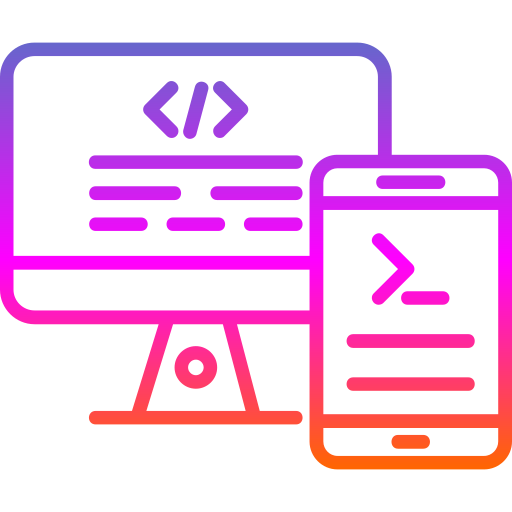
Figure 1: The visual difference between custom code development (left) and Hostinger’s drag-and-drop builder (right)
Deep Dive: Custom Development
When you invest in custom web development, you’re not just buying a website—you’re commissioning a digital asset built specifically for your business needs. Think of it like having a tailor-made suit versus buying off the rack. Both cover you, but one fits perfectly and makes you stand out.
Custom development gives you unlimited features that work exactly how your business operates. Need a complex booking system that syncs with your inventory? A customer portal with personalized dashboards? Integration with legacy systems? A custom solution can make it happen, while template builders often hit walls.
Your brand identity shines through completely. Instead of wrestling with template limitations or seeing your competitor using the same layout, you get a unique digital presence that reflects your business personality and values. This distinctiveness can be a competitive advantage in crowded markets.
Performance-wise, custom sites load faster because they’re built with only necessary code—no bloated features you’ll never use. This speed advantage isn’t just about user experience; it directly impacts SEO rankings. When comparing performance metrics using tools like web.dev/measure, well-built custom sites consistently score higher on Core Web Vitals.
Ownership is another critical factor. With custom development, you own your code, your data, and your platform. You’re not tied to a specific proprietary system, giving you the freedom to migrate or modify as your business evolves.
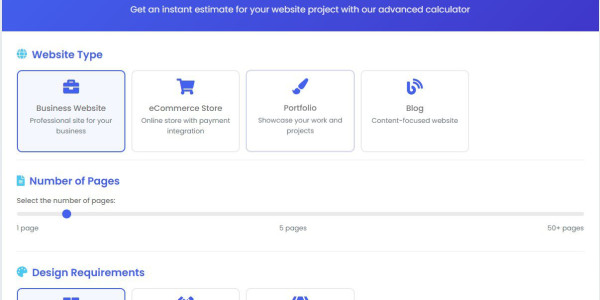
Cost Considerations: The upfront investment is higher, but you can calculate your specific needs using our website cost calculator. Remember that you’re paying not just for the final product but for the expertise, problem-solving, and ongoing support that comes with it.
When to Choose: Custom development shines for e-commerce sites with unique products, businesses needing complex functionality, brands where differentiation is crucial, and growing companies planning to scale significantly.
For comprehensive custom development services that balance quality with affordability, explore how professional developers can transform your digital presence.
Deep Dive: Hostinger DIY
Hostinger’s website builder is like a well-stocked kitchen with pre-measured ingredients—it gets you cooking quickly with guaranteed results, even if you’re not a professional chef. The drag-and-drop interface means you can see changes in real-time, eliminating the back-and-forth communication delays typical of custom projects.
The speed of launch is impressive. You could literally have a presentable website live in an afternoon—perfect for validation projects, simple landing pages, or businesses that need to establish an online presence immediately. This rapid deployment can be invaluable when testing business concepts or responding to time-sensitive opportunities.
Cost-effectiveness is Hostinger’s strongest suit. With Hostinger hosting plans starting at just a few dollars per month, the barrier to entry is incredibly low. For small businesses, personal portfolios, or side hustles, this affordability can be the difference between having a website or not.
The builder comes with pre-designed templates that look professional out of the box. You won’t create something groundbreaking, but you will create something functional and clean. For many businesses, especially local services or simple informational sites, this “good enough” quality is perfectly adequate.
However, limitations exist. Complex functionality beyond what templates offer may require custom code workarounds that can get messy. You’re also building on a proprietary system, which means migration if you ever outgrow the platform can be challenging.
Performance Considerations: While Hostinger provides decent hosting details and optimization features, template-based sites sometimes include unnecessary code that can slow things down compared to lean, custom-built alternatives.
When to Choose: Hostinger DIY is ideal for simple business websites, personal portfolios, startups validating ideas, local service businesses needing basic information, and anyone with limited budget but some time to invest in learning the platform.
The Hidden Costs
Let’s get real about what isn’t in the price tags. With DIY solutions, the biggest hidden cost is your time—and time is money. Every hour you spend wrestling with alignment issues, trying to customize templates beyond their intended use, or learning how to implement a new feature is an hour not spent on your core business activities.
I’ve seen business owners spend 40+ hours building a DIY site that still doesn’t quite meet their needs. At their hourly billing rate, they’ve already “paid” more than a custom website would have cost—not to mention the opportunity cost of missed business during that time.
On the flip side, custom development comes with maintenance costs. Just as a car needs oil changes, your website needs updates, security patches, and occasional troubleshooting. Budgeting 15-25% of your initial development cost annually for maintenance is realistic. However, this ongoing care often means fewer emergencies and a more stable, secure presence.
The Learning Curve:
- Hostinger DIY: 5-20 hours to become proficient
- Custom development: None (handled by professionals)
The Opportunity Cost:
- DIY: Time spent building = time not growing your business
- Custom development: Higher upfront cost but faster business impact
Remember that both paths have value—just different kinds of value. The key is recognizing which type of investment aligns with your current situation and future goals.
The Decision Matrix
Choose Custom Development IF…
- Your budget exceeds $1000
- You need a unique brand identity and competitive differentiation
- Your business requires complex functionality or integrations
- You expect significant growth and need scalability
- Performance and speed are critical to your business model
- You value long-term flexibility and platform independence
- You lack the time or interest in becoming a part-time web developer
Choose Hostinger DIY IF…
- Your budget is under $50 initially
- You need a simple informational site or portfolio
- You have time to invest in learning the platform
- You enjoy hands-on projects and learning new skills
- Your business is in early validation stages
- You prefer predictable monthly costs over upfront investment
- You’re comfortable working within template limitations
Remember, these aren’t permanent decisions. Many businesses start with a DIY solution and transition to custom development as they grow. The key is choosing what makes sense for where you are right now while keeping future possibilities in mind.
Technical Box: Speed Comparison
When measured with web.dev/measure, custom websites typically score 90-100 on Core Web Vitals due to optimized code, while Hostinger DIY sites generally range from 75-90. The difference translates to approximately 0.5-1.5 seconds faster loading for custom sites—significant for user experience and SEO rankings. However, well-optimized Hostinger sites can still achieve “Good” ratings, especially for simpler content-focused websites.
Related Resources
- Website Cost Calculator – Calculate your custom development price
- Website Design & Development Services – Professional custom development options
- Hostinger Hosting Plans – Compare Hostinger pricing and features
- Fast and Secure Website Hosting – Hosting performance considerations
Additional Resources
- web.dev/measure – Compare performance metrics for any website
- WordPress Documentation – Resources for CMS-based custom solutions
FAQs
Q: Can I switch from Hostinger to Custom development later?
A: Absolutely! Many businesses start with a Hostinger DIY site and transition to custom development as they grow. The process typically involves recreating your content and functionality on a custom platform. While it requires some work, starting with DIY can help you refine your requirements before investing in custom development.
Q: Is Hostinger good for e-commerce?
A: Hostinger offers e-commerce functionality that works well for simple online stores with standard products and checkout processes. However, for complex product catalogs, unique selling workflows, or high-volume sales, custom development with specialized e-commerce solutions usually provides better performance and flexibility.
Q: How long does it take to build a website with Hostinger?
A: With Hostinger’s website builder, you can create a basic website in just a few hours. A more polished site with multiple pages and custom content typically takes 1-3 days, depending on your familiarity with the platform and how much content you already have prepared.
Q: What’s included in custom website maintenance?
A: Custom website maintenance typically includes security updates, plugin updates, performance monitoring, regular backups, content changes, technical support, and periodic design refreshes. The specifics vary by provider, so always clarify what’s included in your maintenance agreement.
Q: Can I migrate my Hostinger site to WordPress or another CMS?
A: Yes, migration is possible but requires some technical work. You’ll need to export your content from Hostinger and set up a new hosting environment for your preferred CMS. For WordPress specifically, you can use migration plugins, but you may need to rebuild some functionality manually. Consider professional help for complex migrations.
Why This Matters
Your website is often the first impression potential customers have of your business. Choosing between custom web development vs Hostinger isn’t just a technical decision—it’s a business decision that affects your brand perception, customer experience, operational efficiency, and ultimately, your bottom line. The right choice aligns with your current resources while positioning you for future growth. By understanding the true costs, benefits, and limitations of each approach, you can make an informed decision that serves your business both today and tomorrow.
About the Author
Sharjeel is a web developer and business consultant who’s helped dozens of businesses find their perfect digital path. When not debating code vs. builders, you’ll find him exploring coffee shops and testing productivity theories.
Follow DevGuruX on Pinterest, LinkedIn, and Instagram for more web development insights and tips.