
Discover how strategic website architecture can multiply your investment by 5x. Learn the proven methods that turn $1 into $5 in business revenue.
By Sharjeel | Published on 2026-02-13
Table of Contents
The Website Investment Myth
Most businesses treat their website as a necessary expense rather than an investment with measurable returns. They allocate a budget, launch a site, and then hope for the best. This approach is like planting a seed without water or sunlight—it might grow, but it certainly won’t thrive.
The website ROI multiplier is a strategic approach to web development that focuses on creating systems and structures that generate exponential returns over time. Instead of just building a digital brochure, you’re creating a revenue-generating asset that works 24/7 to grow your business.
I’ve seen this transformation firsthand with clients like Bwa Sports, a uniform manufacturer who saw a 300% increase in qualified leads after we restructured their website architecture. Their investment didn’t just return value—it multiplied it by creating systems that continuously brought in new business without additional advertising spend.
What Is a Website ROI Multiplier?
A website ROI multiplier is the strategic design and implementation of website elements that work together to generate returns far exceeding the initial investment. It’s not about spending more money—it’s about spending it more intelligently on components that compound value over time.
Think of it like compound interest for your digital presence. Each element you implement correctly doesn’t just add value; it multiplies the effectiveness of other elements, creating a system where the whole becomes greater than the sum of its parts.
The key is understanding that your website isn’t just a collection of pages—it’s a living ecosystem that can either drain resources or generate them, depending on how it’s structured.
The Architecture Elements That Multiply Returns
1. Strategic Conversion Funnels
Every website needs clear pathways that guide visitors toward specific actions. These aren’t just contact forms—they’re carefully crafted journeys that address user needs at each stage while moving them toward conversion.
For a local plumbing client, we created a simple three-step funnel: Emergency Services (immediate need), Maintenance Plans (ongoing relationship), and System Upgrades (higher-value services). This structure increased their qualified leads by 45% without increasing traffic.
2. Automated Lead Nurturing Systems
Smart websites don’t just capture leads—they nurture them automatically. By integrating email sequences, retargeting pixels, and educational content, you create a system that continues working long after a visitor leaves your site.
We implemented this for a healthcare client who was struggling with consultation bookings. Their automated follow-up system now converts 30% of initial inquiries into appointments without any manual intervention.
3. Performance Optimization
Website speed directly impacts conversions. According to Google’s research, each additional second of load time can reduce conversions by 7%. The web.dev performance metrics provide excellent benchmarks for measuring and improving your site’s speed.
A retail client saw a 22% increase in sales simply by optimizing their images and implementing lazy loading—changes that cost virtually nothing but dramatically improved user experience.
4. Content That Works While You Sleep
Evergreen content that addresses your customers’ most pressing questions continues to attract and convert visitors long after it’s published. This content becomes a 24/7 salesperson for your business.
Our “Ultimate Guide to HIPAA-Compliant Websites” continues to bring in qualified healthcare clients months after publication, with no additional investment required.
Real-World ROI Transformation Examples
Bwa Sports Manufacturing
The uniform manufacturer came to us with a functional but ineffective website. By restructuring their architecture to showcase manufacturing excellence and implementing a custom ordering system, we transformed their site from a digital brochure into a sales machine.
Investment: $3,000 Return: 300% increase in qualified leads, expansion to 5 new countries ROI Multiplier: 5x within 6 months
Local Healthcare Provider
A small medical clinic was struggling to attract new patients in a competitive market. We restructured their site to highlight expertise, implemented patient education resources, and created a streamlined appointment booking system.
Investment: $2,500 Return: 40% increase in new patient appointments, 60% reduction in administrative time ROI Multiplier: 4x within 3 months
E-commerce Fashion Retailer
An online clothing store was experiencing high cart abandonment rates. We redesigned their checkout process, implemented product recommendation algorithms, and created a post-purchase follow-up system.
Investment: $5,000 Return: 35% increase in conversion rate, 28% increase in average order value ROI Multiplier: 3.5x within 4 months
Implementing Your Own ROI Multiplier Strategy
Step 1: Audit Your Current Architecture
Before making changes, understand how your current website is performing. Use our revenue ROI calculator to establish a baseline and identify opportunities for improvement.
Step 2: Map Your Customer Journey
Document every interaction a customer has with your business, from initial awareness to post-purchase follow-up. Identify gaps where automation or better user experience could increase conversions.
Step 3: Prioritize High-Impact Changes
Not all changes are created equal. Focus first on elements that will have the biggest impact on your bottom line, such as improving checkout processes or optimizing page speed.
Step 4: Implement and Measure
Make changes incrementally and measure their impact. This allows you to see what’s working and adjust your strategy accordingly.
Step 5: Optimize Continuously
A website ROI multiplier isn’t a one-time implementation—it’s an ongoing process of refinement and improvement based on data and user feedback.
Measuring and Optimizing Your Website’s ROI
To truly understand your website’s ROI multiplier, you need to track the right metrics:
- Conversion Rate: The percentage of visitors who take desired actions
- Customer Acquisition Cost: How much you spend to acquire each customer
- Customer Lifetime Value: The total revenue a customer generates over their relationship with you
- Traffic Sources: Where your most valuable customers come from
- User Behavior: How visitors interact with your site and where they drop off
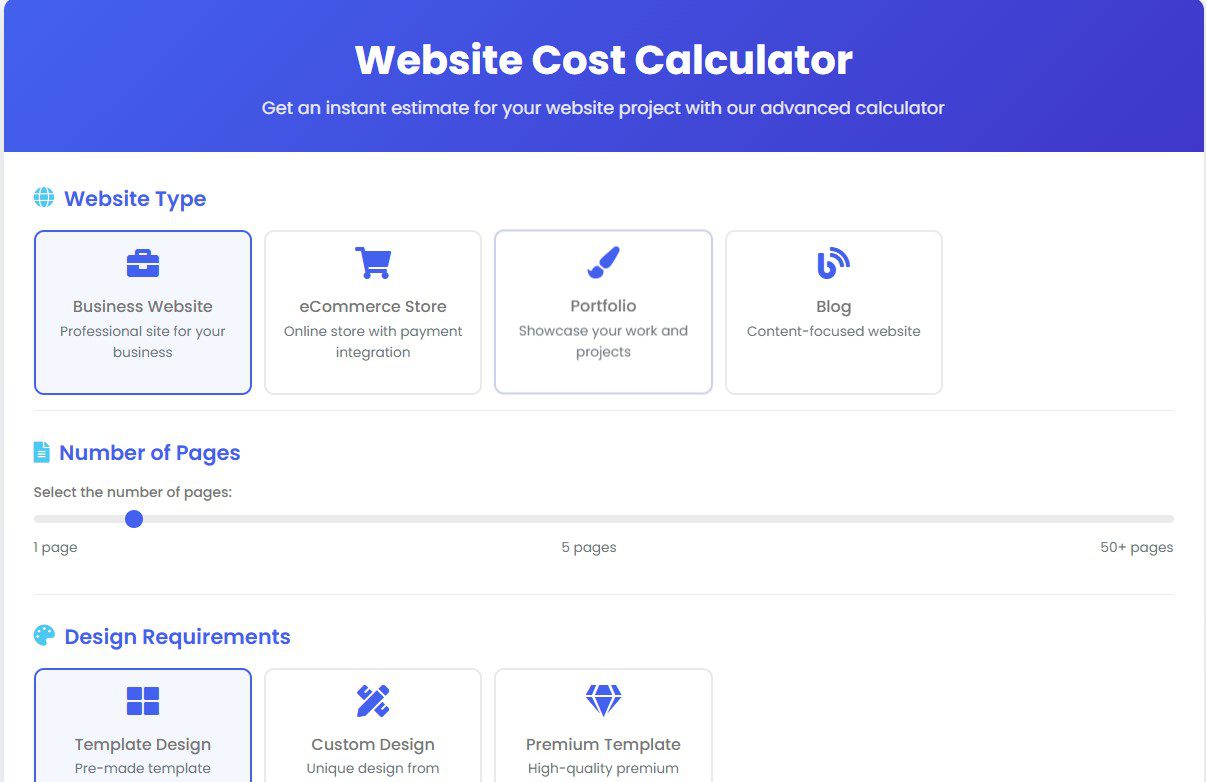
Google Analytics provides excellent tools for tracking these metrics, and our website cost calculator can help you understand the investment side of the equation.
TL;DR
A website ROI multiplier is achieved through strategic architecture elements that work together to generate exponential returns on your initial investment, transforming your website from an expense into a revenue-generating asset.
Related Ideas
- Automated email sequences for lead nurturing
- Conversion rate optimization techniques
- Website performance monitoring tools
- Customer journey mapping strategies
- Content marketing for long-term ROI
- Analytics setup and interpretation
Related Resources
- Website Design & Development
- Business Website Solutions
- Revenue ROI Calculator
- Website Cost Calculator
External Resources
- Web.dev Performance Metrics – Essential tools for measuring and improving your website’s performance
- Google Search Central – Guidelines for optimizing your site for search engines
FAQ
Q: How quickly can I expect to see ROI from website improvements? A: While some changes show immediate results (like speed optimization), others may take 3-6 months to fully compound. The key is implementing changes systematically and measuring their impact over time.
Q: Do I need a large budget to implement ROI multiplier strategies? A: Not necessarily. Many high-impact changes, like improving page speed or restructuring navigation, cost little to implement but can significantly increase conversions. Our website cost calculator can help you prioritize based on budget.
Q: Should I focus on getting more traffic or converting existing traffic better? A: Start with conversion optimization. It’s more cost-effective to increase the percentage of visitors who convert than to acquire new traffic. Once your conversion rate is optimized, then focus on scaling traffic.
Q: How do I know which website elements are hurting my ROI? A: Start with analytics data to identify high-drop-off points in your user journey. Heat mapping tools can also reveal where users are getting stuck. Our business health check can help identify specific areas for improvement.
Q: Can small businesses compete with larger companies in terms of website ROI? A: Absolutely. Small businesses often have the advantage of being able to implement changes more quickly and personalize customer experiences more effectively than larger competitors.
Why This Matters
In today’s digital landscape, your website is either working for you or against you. By implementing ROI multiplier strategies, you transform your website from a necessary expense into a powerful business asset that generates returns far exceeding your initial investment. This approach levels the playing field, allowing small businesses to compete effectively with larger competitors through smarter, not bigger, digital investments.
About the author: Sharjeel is a web developer and SEO specialist with over 5 years of experience helping businesses maximize their digital ROI through strategic website architecture and optimization.