
How to Spot Bad Freelancers: 7 Essential Warning Signs
I still remember the exact moment I realized I had screwed up.
It was 2:17 a.m. in my tiny room in Sialkot. My laptop screen was glowing with error logs that looked like hieroglyphs. The client — a small clothing brand owner who trusted me with his first online store — had just sent a frantic WhatsApp message:
“Bro the site is down again… customers are leaving bad reviews. Please fix fast.”
I had paid a “super cheap” freelance developer from a platform $180 to build the WooCommerce backend. He promised “agency quality” in 10 days. What I got was 10 days of silence, broken payment gateways, and code so tangled that even I — after 4 years of fixing other people’s messes — couldn’t untangle it without rewriting half of it.
That one decision cost me:
- $1,200 in lost sales during the first month
- 3 weeks of my own time rewriting everything
- A client who never came back
- My reputation (he left a very public 1-star review)
I swore that would be the last time I got burned by cheap freelance work. Since then I’ve hired (and fired) more developers than I care to count, and I’ve learned exactly which warning signs predict disaster.
If you’re a business owner, startup founder, or even another freelancer looking to outsource, these are the 7 red flags I now run from — and the exact questions I ask to avoid them.
1. They Avoid Giving You Real References from Similar Projects
The moment someone says “I can’t share past client contacts because of privacy” or “Just check my Upwork reviews” — I walk.
Real developers who’ve delivered for businesses like yours are usually proud to let you talk to 1–2 previous clients (with permission, of course). If they dodge, it’s because there are no happy clients to talk to.
What I do now: I ask for one specific example: “Can you connect me with a client who had a similar project (e.g. WooCommerce store for clothing brand)?” If no — next.
2. Fixed Price + Unrealistic Timeline Combo
“$250 and done in 7 days” for a full custom e-commerce site with payment gateway, inventory sync, and SEO structure? That’s not confidence — that’s a trap.
Good developers know real work takes time: discovery, architecture planning, QA, revisions, launch. Anyone promising miracles on a shoestring is planning to cut corners (or disappear).
What I do now: I ask for a realistic breakdown: “How many hours do you estimate for discovery + development + testing?” If the answer is under 60–80 hours for a medium project — red flag.
3. No Questions About My Business Goals — Only About Features
If the first message is “Send me the Figma file / WordPress login / feature list” without asking:
- What problem are you solving?
- Who are your customers?
- What’s the #1 goal for the next 12 months?
- How will you measure success?
…they’re building a product, not a business tool.
What I do now: I flip the script and ask them: “Before we talk price, what questions do you have about my business?” Silence = next.
4. They Use Copied / Template Code Without Explaining Why
I’ve seen developers paste entire GitHub repos or ThemeForest templates and call it “custom work”. When I ask “Why this specific caching method?” or “How does this scale to 10,000 products?”, they panic or ghost.
What I do now: I always ask for a 5-minute Loom video walking through one piece of their previous code. If they can’t explain their own decisions — I’m out.
5. Communication Only Happens When They Need Something
The pattern is always the same:
- Day 1–3: Very responsive, lots of enthusiasm
- Day 10+: Radio silence until they need login details, payment, or more assets
- Day 20+: “Sorry, family emergency / sick / new job”
What I do now: I set a rule — weekly 5-minute video update (even if nothing changed). No update = I pause payment.
6. They Push You to Use Their Hosting / Tools / Plugins
“I’ll get you a better deal if you use my Hostinger account” or “I only work with this theme/plugin” — usually means they get affiliate kickbacks or they’re hiding poor code behind specific tools.
What I do now: I insist on full ownership: “All code, hosting credentials, and plugin licenses must be in my name from day one.” Pushback = walk.
7. They Disappear After Delivery (No Handover, No Documentation)
The classic ghosting move: Site goes live, they take final payment, then vanish when you ask “How do I update this?” or “Where’s the documentation?”
I’ve spent weeks rebuilding sites because the developer never explained anything.
What I do now: Final 30% payment only after:
- Full handover video (where everything is)
- 30-page simple documentation (logins, update guide, plugin list)
- 2 weeks of free support after launch
The Mistake That Changed Everything for Me
After that $1,200 disaster, I stopped hiring based on price and started hiring based on proof + communication.
Now when I need help (yes, even I outsource sometimes), I pay 2–3× more for someone who:
- Shows me real previous work in my niche
- Asks smart questions about my business
- Gives weekly updates without me chasing
- Delivers clean, documented code I can hand to another developer
The result? Projects finish faster, cost less in fixes, and actually grow the business.
If you’re tired of the same freelance nightmare loop, you have two choices:
- Keep rolling the dice on the lowest bidder
- Or work with someone who’s already learned these lessons the hard way
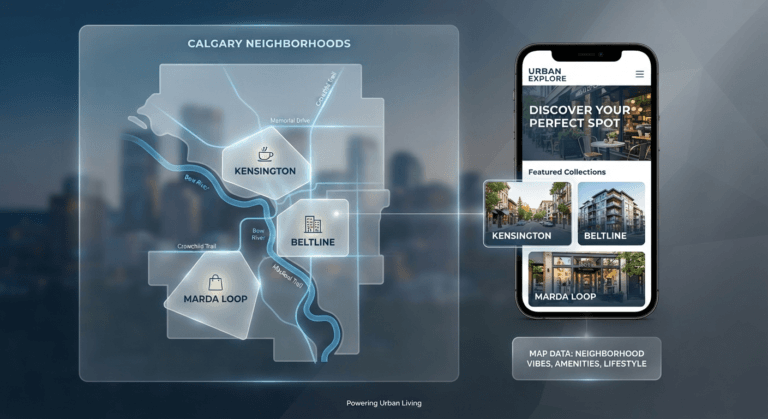
Calgary business owner? Looking for an affordable, modern website? See what we offer
I’m the second option.
If you’re ready to stop gambling with your online presence and want code that actually works — and keeps working — message me right now on WhatsApp: +92 327-7569356.
No templates. No corners cut. Just clean, scalable work that makes you money instead of costing you more.
Let’s talk.
— Sharjeel Founder, DevGurux