
How Every Successful Business Website Is Planned Before a Single Line of Code Is Written
Many business owners think that building a high-performing website starts with writing code or installing a Content Management System (CMS). However, plunging headfirst into a build without an explicit strategic roadmap is the fastest way to end up with a slow, frustrating interface that fails to generate revenue.
Every wildly successful digital presence undergoes a rigorous, intentional strategic blueprinting phase before a developer ever opens a code editor. This prep work ensures that the layout matches user expectations, ranks highly on search engines, and operates securely. If your business is ready to build a new digital asset or refresh an underperforming presence, understanding this pre-code planning phase will save you time, money, and headaches.
1. Defining the Core Purpose and User Flow
Before planning any structural elements, you must identify your primary business objectives. Is the site meant to capture regional service leads, drive an online storefront, or function as a digital catalog?
A modern design framework maps out user journeys before visual design begins. This ensures that visitors face zero friction moving from your home page down to your transactional pages. During this discovery phase, agency leads use interactive discovery strategies to trace how prospective buyers navigate options.
For instance, structural requirements for an industrial firm diverge drastically from those of a fitness brand. Mapping out exactly how a prospective client moves from an introductory industry page down to a localized landing page forms the foundation of sustainable conversion paths.
2. Architecting for Conversions and High Content Value
A high-converting digital platform isn’t designed around aesthetics alone; it is engineered for psychological user paths. The layout must subtly direct users toward key commercial destinations.
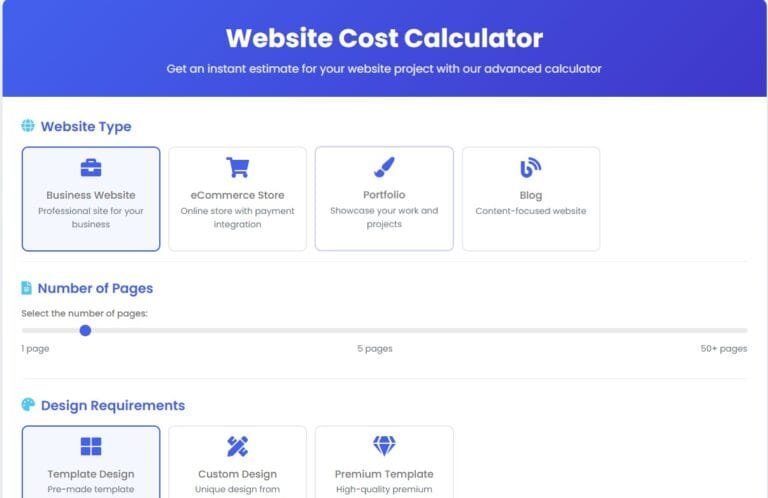
If you run a service business, your planning should detail how a user interacts with quote forms, chat tools, or scheduling systems. During the structural blueprint stage, smart layouts allocate designated zones for interactive tools, such as an integrated website cost calculator. Giving visitors immediate access to actionable estimates captures user intent while weeding out unqualified prospects early in the buying funnel.
Furthermore, integrating advanced integrations during the sketching phase ensures your data workflows stay organized. If you plan to deploy automated systems, you must wireframe how lead captures feed directly into your sales channels via custom integrations. This planning connects front-end interactions directly to backend operational databases.
3. Designing a Search Engine Optimization Framework
True organic search optimization cannot be patched onto a finished website. It must be woven straight into the underlying structural wireframes. Planning your layout involves mapping a logical URL structure, establishing categorical silos, and creating internal linking paths that distribute ranking power across your commercial hubs.
When deploying comprehensive website design development, your initial map should strategically link educational blogs directly to your main transactional landing pages. If your agency is targeting specific local territories, your structural silo should logically channel authority into geo-targeted landing pages like a dedicated landing page development Mississauga portal or a regional website development in Calgary asset.
[Blog Posts / Case Studies]
       │
       ▼ (Contextual Internal Links)
[Geo-Targeted Landing Pages] (e.g., Calgary / Mississauga)
       │
       ▼ (Direct Conversion CTA)
[Lead Generation Forms / Calculators]
This intentional grouping signals semantic clarity to search engine crawlers, making it much easier for your service pages to outrank competitors.
4. Engineering Performance and Optimization Rules
Slow load times destroy your bottom line. If a page takes longer than three seconds to load, bounce rates skyrocket, and your search engine rankings degrade. This is why performance engineering must be specified long before code composition begins.
Planning for speed requires determining your target technology stack, content storage methods, and optimization standards. If your platform relies on a popular framework like WordPress, you must map out asset optimization rules beforehand. Specifying a clean, modular foundation from day one prevents the technical bloat that later requires extensive wordpress speed optimization interventions.
Pre-planning ensures that scripts load efficiently, images leverage next-gen delivery formats, and server response times remain consistently fast.
5. Mapping Security and System Upkeep Needs
Digital security is never an afterthought. A single vulnerability can compromise customer databases, destroy brand credibility, and trigger severe search engine penalties.
Every blueprint should detail strict data protection standards, secure protocol setups, and recurring system maintenance policies. Your planning documents must map out defensive measures, including:
- Robust firewall layers
- Active malware detection frameworks
- Scheduled backend infrastructure updates
For businesses updating out-of-date systems, this phase includes mapping out a structured website redesign strategy. This process ensures that data transitions securely, old links redirect correctly without breaking, and fresh security configurations protect user data immediately upon launch.
6. Planning for Multi-Device Visual Responsiveness
With mobile devices driving over half of all global web traffic, planning for a desktop view alone is a massive risk. Successful websites use a mobile-first philosophy, wireframing the mobile layout alongside the desktop version.
Planning a fluid, cross-platform interface means designing flexible grid systems, touch-friendly navigation components, and readable typographic hierarchies. When map layouts prioritize responsive design, content rearranges naturally across screens of all sizes. This careful spatial planning keeps users highly engaged, whether they are browsing long-form content on a desktop monitor or submitting a lead form on a smartphone.
The Golden Rule of Web Engineering: Every dollar invested in careful wireframing, content siloing, and speed mapping during the planning phase saves ten dollars in frantic backend code rewrites after launch.
| Planning Stage | Core Deliverable | Primary Business Value |
| Discovery & Flow | User journey diagrams | Eliminates visitor drop-off and UX confusion |
| Silo Architecture | SEO internal link map | Drives organic rank to service pages |
| Asset Mapping | Speed & caching specifications | Guarantees rapid load times and low bounce rates |
| Security Mapping | SSL, firewall, & update schedules | Shields corporate data and maintains compliance |
By enforcing a strict blueprint stage, you insulate your company from technical debt and layout issues. It turns your website from a simple digital business card into a reliable, automated growth engine.
Before you hire a team or write your first script, take a step back and map your architecture first. Your conversion rates, page speeds, and long-term search engine visibility will thank you.